Embrace the Art of the Human Touch with Casual Flow
There's a certain magic in a handwritten note that a typed letter can't replicate. It's in the slight variations in pressure, the natural flow of ink, and the subtle imperfections that make it uniquely human. In a digital world saturated with perfect, geometric fonts, this human element has become a rare and valuable commodity. Casual Flow is a modern signature font designed to bridge that gap, offering the polished consistency of a digital typeface with the warm, approachable character of a relaxed, rhythmic script. It’s not just another handwritten font; it’s a tool for adding authentic personality to your projects.
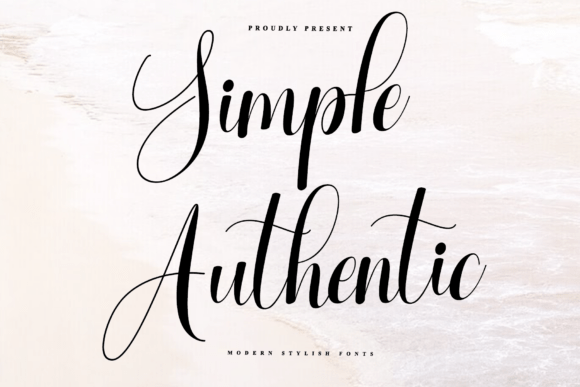
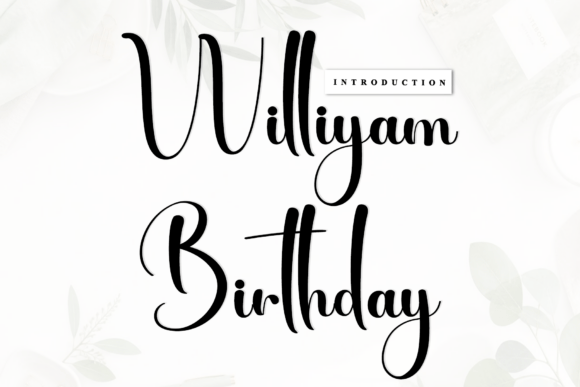
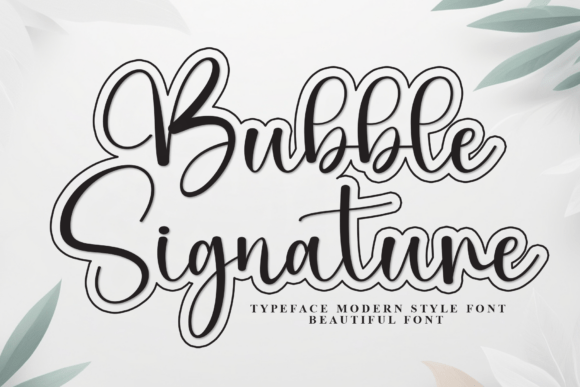
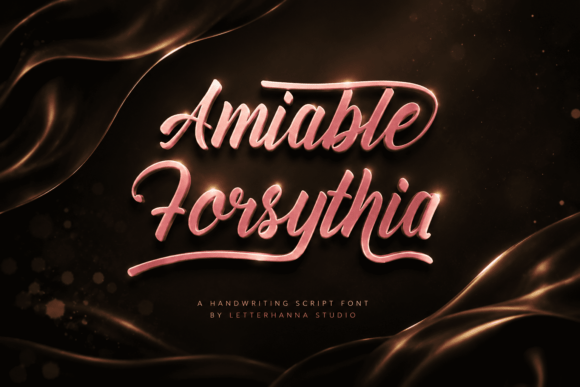
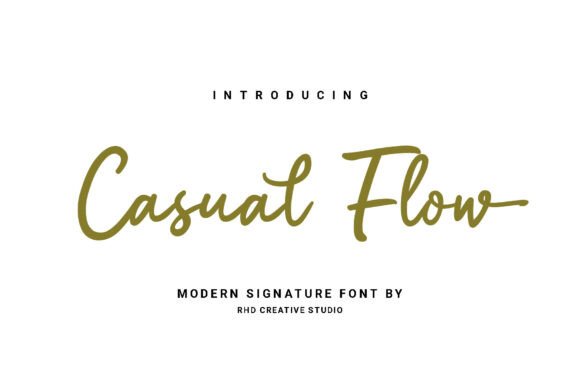
At its core, Casual Flow is defined by its balanced swashes and consistent weight. This isn't a wild, untamed calligraphy script that sacrifices legibility for flair. Instead, it strikes a thoughtful balance. The letterforms have a natural ink-flow aesthetic, mimicking the way a skilled hand might move across paper with a comfortable, flowing motion. The result is a typeface that feels both personal and professional. It’s legible at various sizes, making it a surprisingly versatile script font for both display and shorter text applications. The overall appeal lies in its ability to communicate warmth, creativity, and approachability without ever feeling messy or unprofessional.
Where Casual Flow Truly Shines: From Brand Identity to Wedding Invitations
Understanding a font's personality is one thing; knowing where to apply it is another. Casual Flow excels in projects where a personal connection is key. For photographers, it’s an ideal choice for watermarks. A subtle, elegant watermark using Casual Flow doesn’t just protect an image; it adds a stylistic signature that feels integrated and intentional, enhancing the photo’s mood rather than detracting from it. Similarly, for lifestyle branding, this typeface can become the cornerstone of a brand identity. Think of a bakery’s logo, a wellness coach’s website headers, or a boutique’s product packaging. Casual Flow injects a sense of handcrafted care and human touch that resonates with audiences seeking authenticity.
Its applications extend beautifully into editorial design and packaging design. Imagine a magazine feature with pull quotes set in Casual Flow, adding a personal, conversational tone to the layout. On a product label for artisanal goods, it communicates quality and a maker’s story. For social media graphics, it’s a powerhouse. A quote overlay, a sale announcement, or a thank-you post rendered in Casual Flow feels more engaging and personal than the same message in a standard sans serif font. It’s also a premier choice for wedding stationery—from save-the-dates to thank-you cards—where elegance and a personal touch are paramount.
Practical Guidance: Choosing and Using Casual Flow Effectively
As with any design asset, the key to using Casual Flow successfully is thoughtful implementation. It’s a display font by nature, meaning it’s built for impact at larger sizes. While it’s legible, using it for long paragraphs of body copy would be a mistake. Instead, pair it intelligently. A classic and effective font pairing is to use Casual Flow for headlines, logos, and key phrases, and pair it with a clean, highly readable serif font or sans serif font for body text. This creates a clear visual hierarchy, where the script font adds personality and the companion font ensures readability and structure.
Before committing to Casual Flow for a major project, take the time to test it. Most reputable font foundries will provide a full character preview. Check the included styles—does it have the alternates and swashes you need? Examine how specific letter combinations look in your intended words. Consider the licensing; as a commercial font, ensure its license covers your intended use, whether for a client’s logo, digital products, or printed merchandise. The goal is to leverage its strengths: its ability to make a brand feel more human, a design more elegant, and a message more personal. By using it strategically, you can elevate a project from simply looking good to feeling genuinely connected with its audience.