Handmade: A Handwritten Font for Authentic Projects
There’s a certain magic in the imperfections of real handwriting. It carries a warmth and personality that sterile, digital text often misses. This is the essence of the Handmade typeface. It’s not just a set of letters; it’s a carefully crafted digital interpretation of a human hand, designed to inject soul and authenticity into your creative work. As a designer, I reach for fonts like this when a project needs to feel personal, approachable, and genuinely heartfelt. It bridges the gap between the precision of digital design and the intimate charm of a handwritten note.
The Visual Character: More Than Just a Script
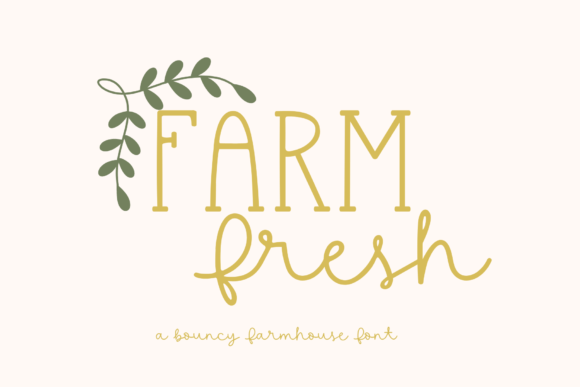
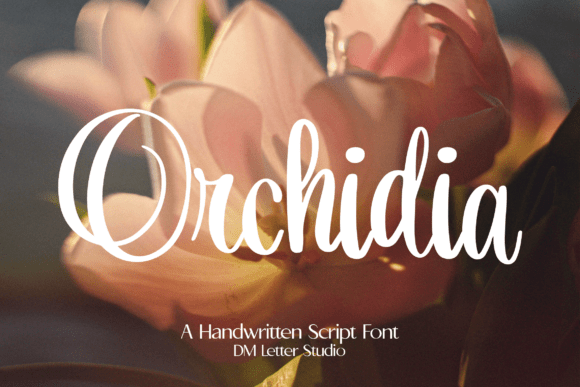
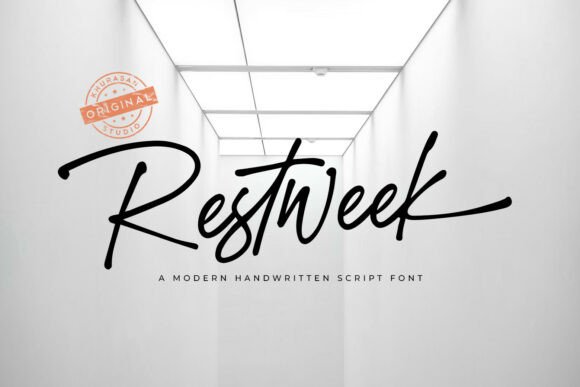
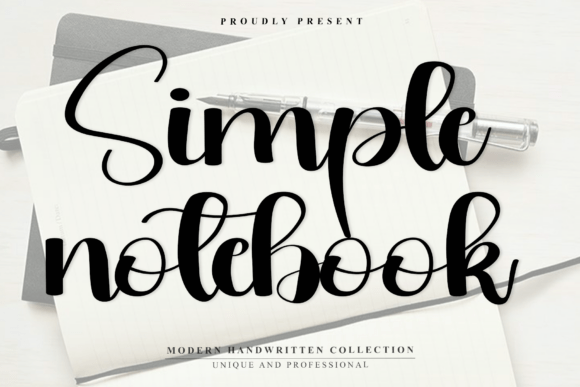
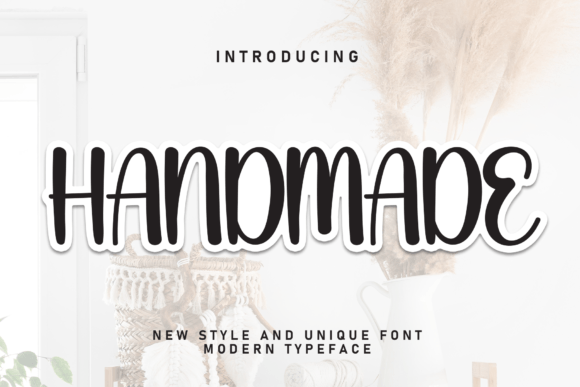
At its core, Handmade is a script font with a distinctly handwritten personality. Its letterforms are fluid and natural, with a slight bounce and varied baseline that mimics real writing. You’ll notice subtle inconsistencies in stroke weight and letter connections—these aren’t flaws, but intentional details that give the typeface its organic, cuddlesome appeal. It’s the kind of font that feels like it was written with a favorite pen on textured paper, making it ideal for projects where a human touch is paramount.
This creative font excels in situations where you want to evoke emotion and connection. Its style is friendly and engaging, perfect for capturing attention without feeling aggressive. Think of it as the typographic equivalent of a warm smile. While it’s a display font meant for headlines and short bursts of text, its readability at larger sizes is excellent. It’s not a workhorse for body copy, but for making a statement, it’s incredibly effective.
Where Handmade Truly Shines: Practical Applications
Understanding where a font like Handmade fits best is key to using it effectively. Its strength lies in applications that benefit from a personal, artisanal, or whimsical vibe. Let’s break down some real-world scenarios.
Crafting Personal and Commercial Invitations
This is perhaps its most natural habitat. For wedding invitations, greeting cards, or event announcements, Handmade sets an immediate tone of intimacy and celebration. It transforms a simple invite into a keepsake. For small business owners, using it on thank-you cards or packaging inserts can significantly enhance the unboxing experience, making customers feel valued and connected to your brand.
Elevating Brand Identity and Marketing
For brands in the lifestyle, wellness, artisan food, or boutique retail space, this font can become a cornerstone of your brand identity. It works beautifully in logo design for businesses that want to emphasize craftsmanship and authenticity. Pair it with a clean sans serif font for body text to create a balanced and professional visual hierarchy. In marketing, use it for social media graphics, email headers, or promotional flyers to add a personal touch that stands out in a crowded feed. It’s particularly effective for call-to-action buttons or featured quotes.
Digital and Print Publishing
Bloggers and content creators can use Handmade to highlight pull quotes, section headers, or chapter titles in editorial design. It adds visual interest and breaks up long blocks of text, improving reader engagement. For self-published books or magazines, especially in genres like poetry, children’s content, or lifestyle, it can contribute to a unique and cohesive aesthetic. In packaging design, it’s perfect for product names or descriptive snippets on labels for artisanal goods.
Strategic Use: Influence on Design and Perception
A font’s choice influences more than just aesthetics; it shapes how your audience perceives your message. Using Handmade strategically can have a measurable impact.
Brand Perception & Recognition: Consistently using this handwritten font can build a recognizable brand voice that feels personal and trustworthy. It signals creativity and attention to detail, which can elevate a brand from generic to memorable.
Readability & Hierarchy: Remember, it’s a display font. Use it sparingly for maximum impact—like a headline or a key phrase. Pairing it with a highly legible serif font or sans serif font for paragraphs ensures your content remains easy to read while maintaining visual interest.
Audience Engagement: The inherent warmth of this font can lower barriers. It makes digital content feel more human and less corporate, which can increase dwell time and encourage interaction, especially on social media or in email marketing.
A Practical Guide to Choosing and Using Handmade
Before you dive in, consider these practical steps to ensure this premium font is the right fit for your project.
- Evaluate the Project Fit: Ask yourself: Does my project need a personal, warm, or playful tone? Is it for a limited amount of text? If you’re designing a legal contract or a technical manual, this isn’t your font. If you’re creating a boutique bakery’s menu or a yoga studio’s workshop poster, it’s a strong candidate.
- Test Font Pairings: Never use a display font in isolation. I recommend pairing Handmade with a neutral, geometric sans serif font like Montserrat or a classic, readable serif font like Lora. This creates contrast and ensures your body copy is clear.
- Review Included Styles: Check what the font package includes. Does it have alternate characters, ligatures, or stylistic sets? These features can add even more variety and naturalness to your typesetting, allowing you to avoid repetitive letter shapes.
- Conduct Readability Tests: Always test your chosen text at the intended size and on the intended medium (screen vs. print). What looks charming on a 27-inch monitor might become illegible on a mobile phone or a small product label.
- Understand Commercial Licensing: If you’re using this for a client project or commercial products, ensure you have the correct commercial font license. This protects you legally and supports the type designer who created this valuable design asset.
In the end, Handmade is more than just a font; it’s a tool for storytelling. It allows you to weave a narrative of authenticity and care into your designs, whether you’re a solo crafter, a growing business, or a seasoned designer. By understanding its personality and applying it thoughtfully, you can create work that doesn’t just look good, but feels genuinely connected to its audience.